

Science
Rationale:
At St Catherine’s Catholic Primary School, we follow the science programme of study outlined in the National Curriculum. The aim of our curriculum is to ensure all pupils:
- Develop scientific knowledge and conceptual understanding
- Understand the nature, processes and methods of science through different types of science enquiries that help them to answer scientific questions about the world around them.
- Are equipped with the scientific knowledge required to understand the uses and implications of science, today and for the future.
Intent
At St Catherine’s Catholic Primary School, our aims are to fulfil the requirements of the National Curriculum for Science whilst igniting curiosity in our children; we want them to question why things happen and the way things work. Our intention is to give them all a strong understanding of the world around them, whilst acquiring specific skills and knowledge to help them think scientifically; they will gain an understanding of scientific processes and of the uses and implications of science, both today and in the future. Teachers have high expectations of all children in Science and will challenge all pupils in every curriculum topic, many of which will be revisited and developed throughout their time at primary school; topics, such as plants, are taught in Key stage One and studied again in further detail throughout Key Stage Two. This progressive model ensures that children build upon their prior knowledge and increase their enthusiasm for the topics covered. The key concept of ‘working scientifically’ will be embedded in each topic studied, enabling pupils to develop and use a range of skills including observation, planning and investigating, classifying and fair testing as well as developing the ability to question the world around them. This approach will promote independent and confident learners who can explore possible answers for their scientific-based questions.
Implementation
To ensure high standards of teaching and learning in Science, we implement a curriculum that is progressive throughout the whole school. The Science leader works closely with the other class teachers during the planning process as well as researching enrichment opportunities such as trips, workshops and guest speakers that bring the subject to life. The teachers create a positive attitude towards learning within their classrooms and reinforce an expectation that everyone is capable of achieving high standards in Science. All of our staff are role models for the children and model the learning requirements clearly for all lessons in all subjects. We also believe in a collaborative partnership with parents, which is evidenced by the sharing of learning both in school and at home through the online
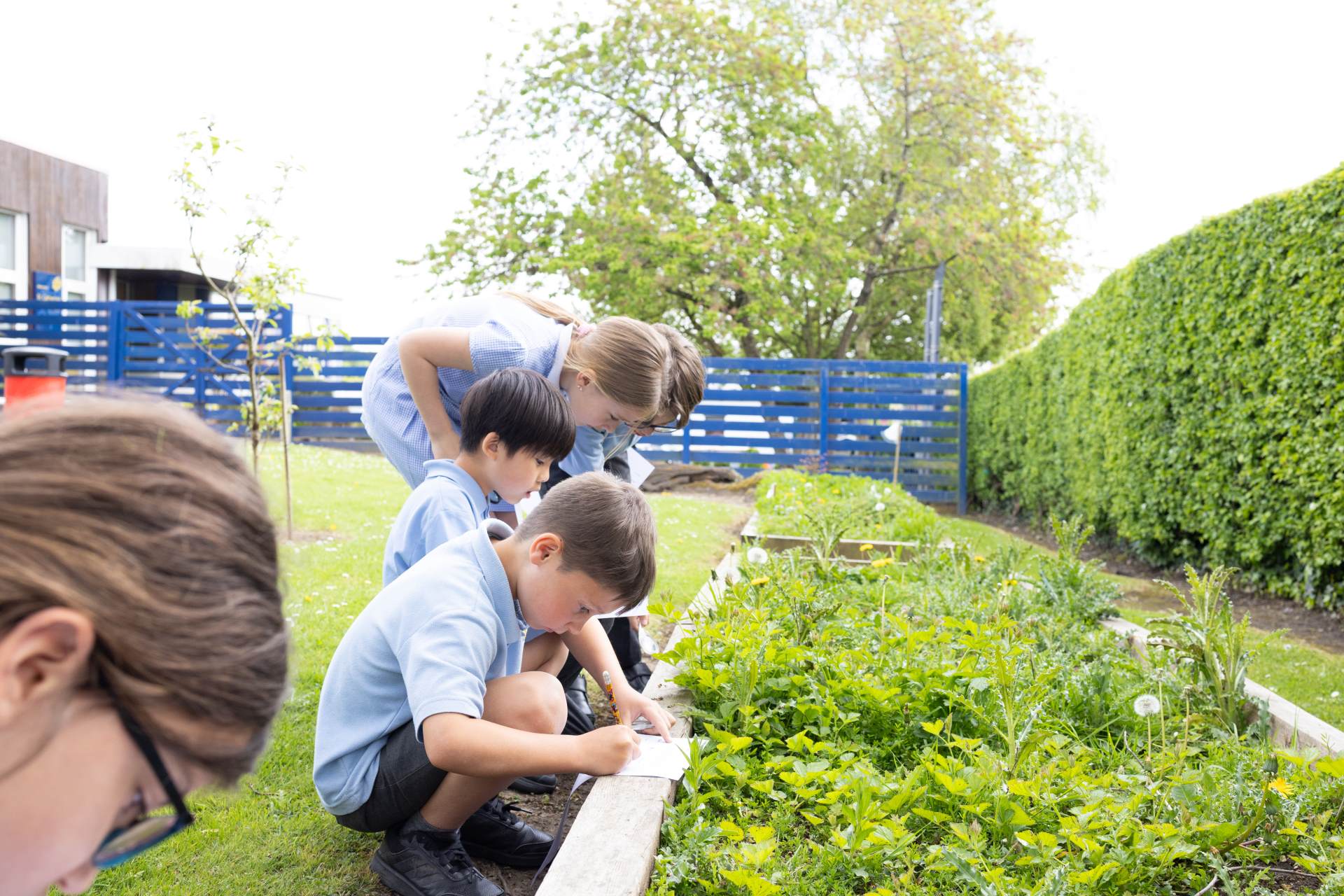
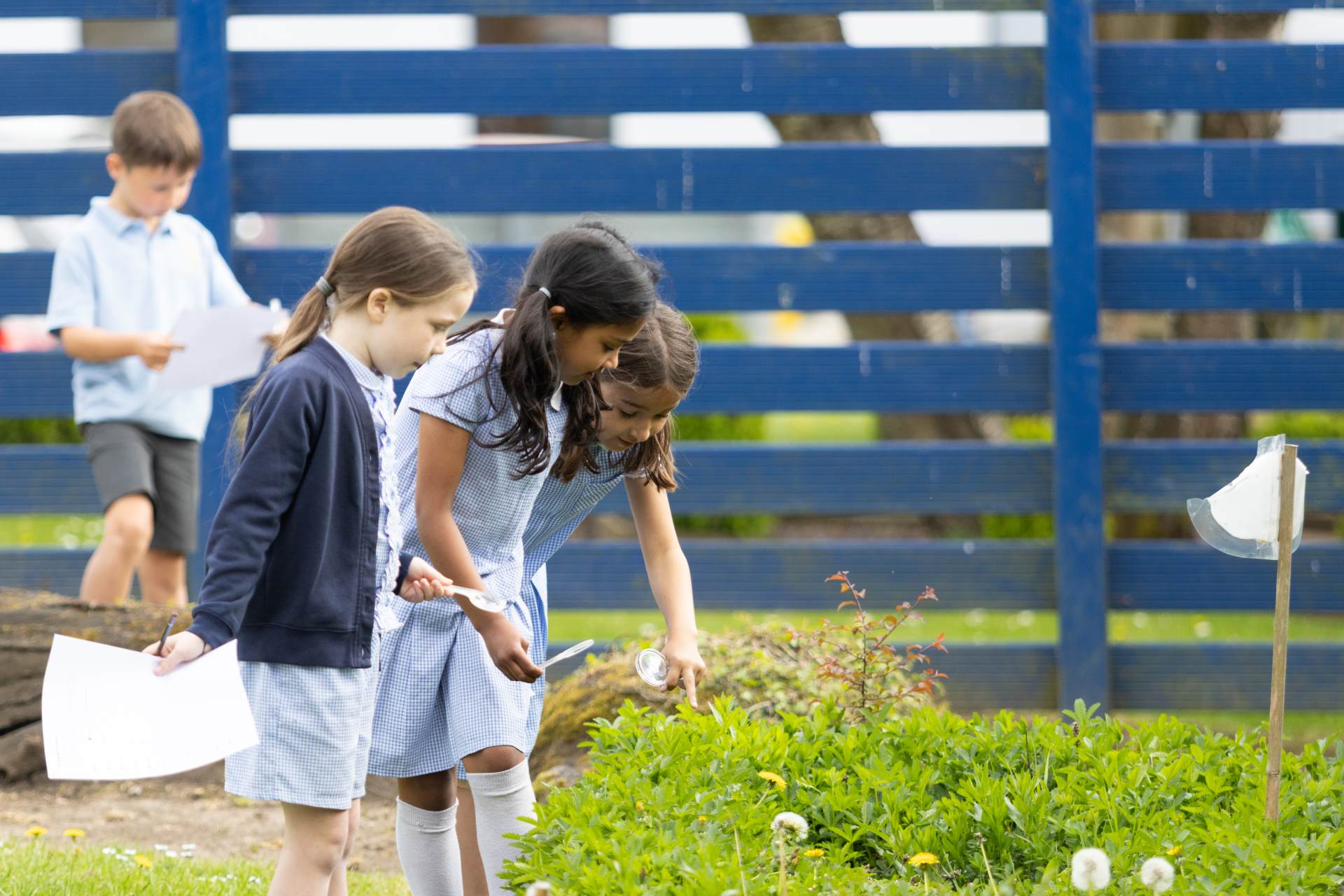
platforms of Tapestry. The development of knowledge begins in our EYFS setting where the teachers carefully use the children’s interests to intertwine Science into their curriculum. Learning is based on the statutory Early Learning Goals, which teachers use as a basis for their planning, ensuring that all the progressive targets required to fulfil these outcomes are addressed. Science is taught through the area of learning categorised as ‘Understanding the World’. In KS1 and KS2, teachers’ planning is based on the ‘Developing Experts’ scheme of learning, an online, subscription-based scientific resource that provides a wealth of high-quality primary Science resources mapped fully to the National Curriculum. All lessons are effectively planned by the class teacher to ensure progression and to meet the needs of the whole class, taking into consideration special educational needs, pupil premium and more-able learners. Each lesson is engaging and challenging with clear objectives and steps for success, building upon the learning and skill development of previous years/lessons, and often involving high quality resources to aid understanding of conceptional knowledge. Experiments are regularly carried out, enabling pupils to have hands-on experience of scientific investigations whilst learning general experimental procedures: aims, prediction, method, fair testing, results and conclusion. In order to facilitate understanding, teachers demonstrate how to use scientific equipment and perform the required skills as well as introducing new vocabulary and concepts. Skills in working scientifically are embedded in lessons in keeping with the topics, to ensure that these skills are being developed throughout the children’s time at St Catherine’s; as the children’s knowledge and understanding increases, and they become more proficient in selecting, using scientific equipment, collating and interpreting results, they become increasingly confident in their growing ability to come to conclusions based on real evidence. They also learn about a diverse range of scientists which introduces them to a spectrum of potential scientific careers. Children are encouraged to ask their own questions and are given opportunities to use their scientific skills and research to discover the answers. At St Catherine’s, we enhance pupils’ Science learning by providing enriching experiences that are memorable for them, including a variety of opportunities for learning outside of the classroom. This includes local environmental visits, one of our favourites being Barnet’s very own Environment Centre. Every year St Catherine’s takes part in British Science Week, when we work collaboratively with parents, inviting them into school as specialist speakers, who deliver high quality workshops that build on children’s prior knowledge and aspire them to think of their futures and their prospective career path.
Impact
Children of all abilities are engaged and challenged in Science lessons; they become determined, independent learners who progressively improve their skills and knowledge to be the best that they can be. At St Catherine’s, we successfully offer a fun, engaging, high quality science education, that produces motivated learners and provides them with the foundations and knowledge for understanding the world. Pupils develop an understanding of the nature, processes and methods of science through different types of enquiries that help them to answer scientific questions about the world around them. They learn about ‘working scientifically’ through a range of practical investigations that are always clearly related to the science content in the programme of study; they develop key practical skills and work collaboratively to investigate and experiment, becoming increasingly independent in selecting their own tools and materials, completing pupil-lead investigations and choosing their own strategies for recording results. By the time they leave our school, they are able to question ideas, explain the process they have taken, reason scientifically, evaluate their findings and reflect on knowledge. Furthermore, they have been introduced to topical issues such as sustainability and the environment. This positive primary experience helps prepare our children for their transition to more in-depth scientific enquiry both at secondary school and beyond – and instils in them the desire to express and explore their curiosity about the world around them.
Vision and Principles
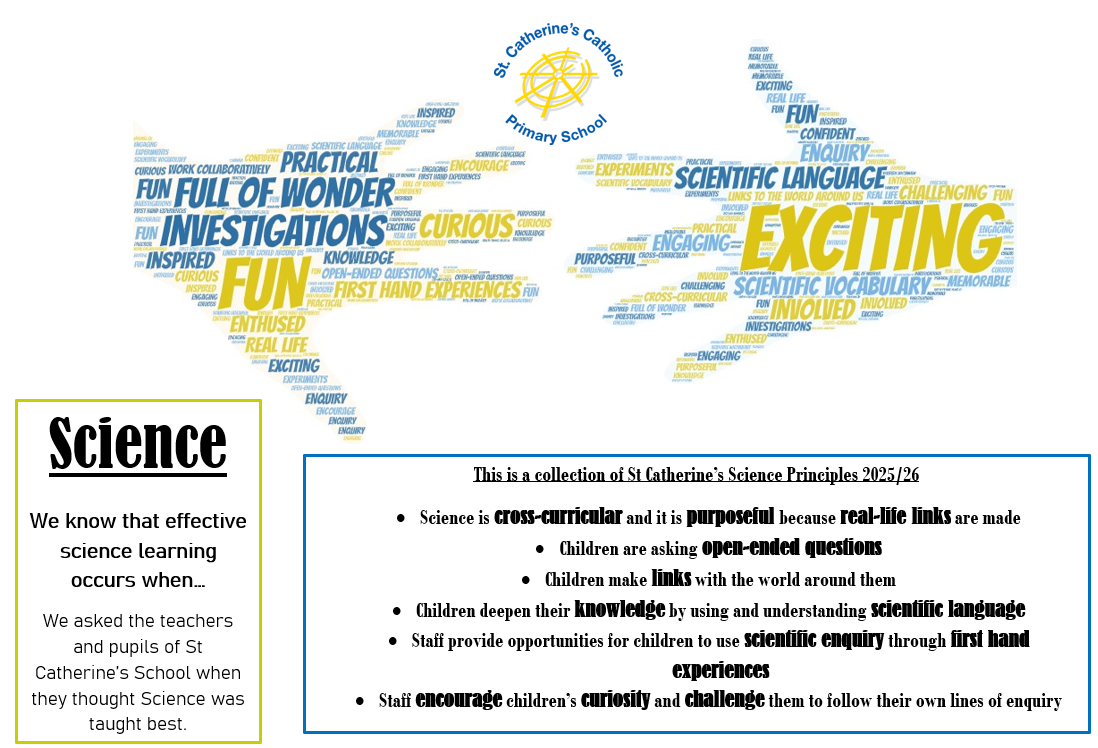
- Science is cross-curricular and it is purposeful because real-life links are made
- Children are asking open-ended questions
- Children make links with the world around them
- Children deepen their knowledge by using and understanding scientific language
- Staff provide opportunities for children to use scientific enquiry through first hand experiences
- Staff encourage children’s curiosity and challenge them to follow their own lines of enquiry
What does Science look like at St Catherine's?
The structure of science lessons will vary based on the topic, year group and the individual needs of the children in the class. However, effective science lessons will include:
1. Key vocabulary
2. Reference to prior knowledge
3. Input of new information
4. Guided practise and independent practice
5. Working scientifically elements
6. Misconception/preconceptions
Curriculum Organisation and Resources
We have carefully sequenced and mapped out our topics in line with the National Curriculum. A range of high quality teaching resources are used to support our science curriculum:
- Developing Experts is a fantastic science resource; the website has a wealth of teaching and learning resources and activities organised around the National Curriculum. The website includes teaching slides, worksheets, vocabulary activities, quizzes and videos from experts. Teachers then use Developing Experts as an aid to plan their sequence of lessons and deliver their teaching.
To ensure the best quality curriculum we also use the following core resources:
Key Documents and References
- Science Programme of Study
- Plan - Progression of Knowledge
- Working Scientifically National Requirements
- Knowledge Matrixes Y1-6
- Teacher Assessment Exemplifications
- British Science Week Website
- Resources Archive - Learning
Science Curriculum Page